
Introduction
ARAYARA International Institute is a federally recognized public interest organization, a member of the National Environmental Council and the National Water Resources Council, among other collegiate bodies in Brazil, and part of Brazilian civil society. It works to promote climate justice, socio-environmental protection, and a just energy transition. Based on its activities in Brazil and Latin America, the Institute contributes to the COP30 Presidency Roadmap with a focus on accelerating a just, orderly, and equitable transition away from fossil fuels, especially in contexts of high socio-environmental vulnerability and expanding fossil fuel frontiers.
(a) What are the most critical barriers — whether physical, economic, financial, institutional, technological or social — preventing the transition away from fossil fuels?
Economic and Structural Barriers that Perpetuate Fossil Fuel Dependence
In the case of Latin America and the Caribbean, we observe that financial institutions still provide substantial financing for new fossil fuel projects. The study “The Money Trail Behind Fossil Fuels in Latin America and Caribbean” (ARAYARA.org et al., 2025) shows a clear expansion of fossil fuels in the region, with approximately 24MMboe in new oil and gas reserves; 8 thousand km of pipelines; and 54GW in gas-fired thermal power plants, which are being financed predominantly by banks from the Global North. This fact highlights the need for coordination and alignment of internal policies not only in the public sector but also in the private sector, in order to establish shared objectives regarding the energy transition. The expansion of fossil fuels in energy matrices creates a certain dependence for countries (AEF, 2025), consequently increasing fossil fuel emissions and hindering global climate commitments (IEA, 2021).
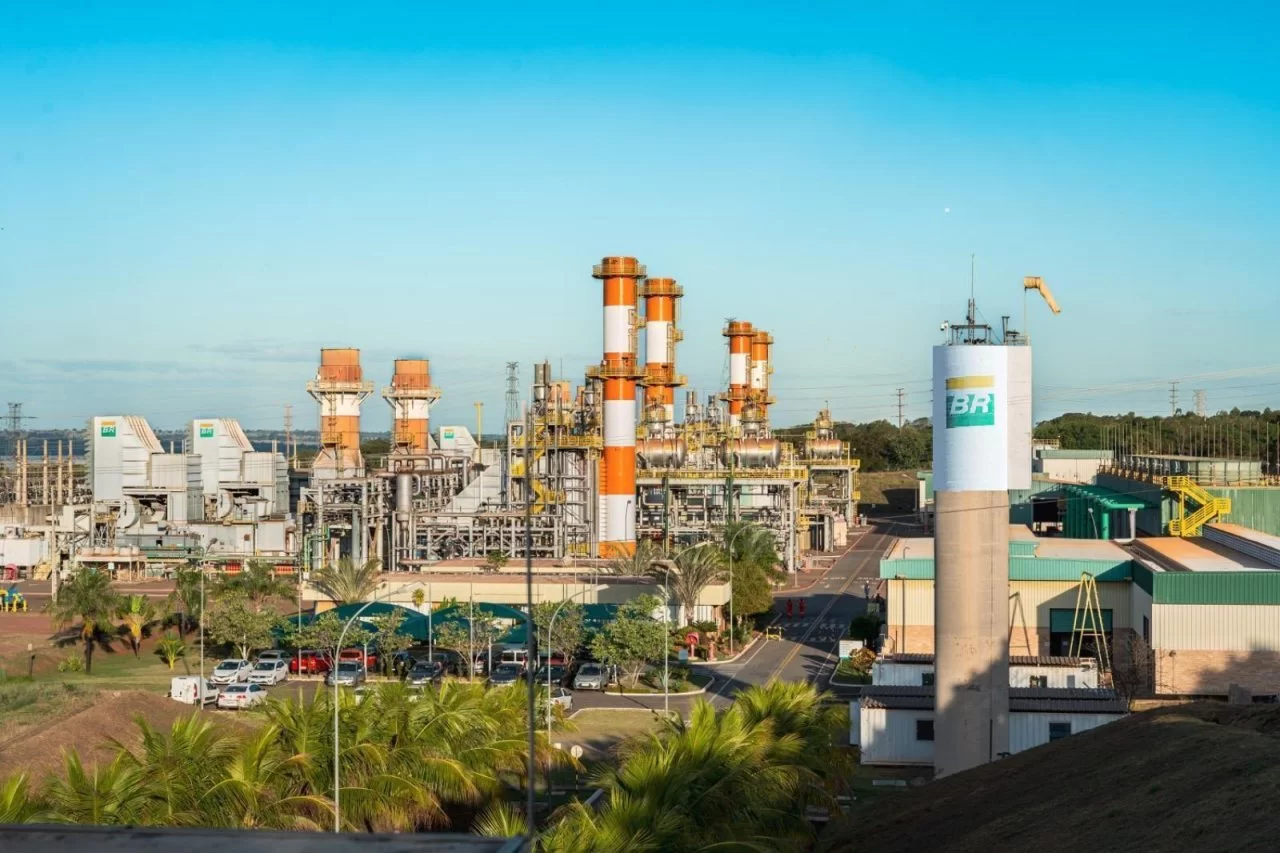
In Brazil, for every 1 real spent on renewable energy sources, 2.52 are allocated to fossil fuels. In 2024, subsidies for oil and gas production in Brazil totaled US$8.15 billion, remaining practically stable compared to the previous year, which reached US$8.38 billion (Inesc, 2025). The impacts of this incentive structure can be observed in the persistence of mechanisms that favor fossil sources even in a context of renewable expansion. An example is energy contracting through auctions that include fossil sources, such as the Capacity Reserve Auction in the Form of Power (LRCAP), held in March 2026, which resulted in the contracting of 90 gas-fired thermal plants and 3 coal-fired thermal plants, increasing climate risks, pressure on tariffs, and the potential for technological lock-in in long-lived fossil assets (CCEE, 2026). These results demonstrate a misalignment with decarbonization commitments and the need to transition to a clean, resilient, and economically efficient energy matrix.
From a spatial perspective, this expansion occurs in a concentrated manner in regions with lower institutional capacity and greater socio-environmental vulnerability, which can be evidenced by overlap analyses with indicators such as income, access to energy, and the presence of traditional territories.
Carbon lock-in occurs with fossil projects that have long-term contracts, making the transition more difficult (AEF, 2025). In light of the growth in global demand for fossil fuels, with the exception of coal (IEA, 2025b), there has been a global increase in forced curtailment of generation from sources such as wind and solar in several countries, including China, Brazil, Germany, Chile, the United Kingdom, and Ireland (IEA, 2025a). In Brazil, there is a structural oversupply of electricity, which has forced cuts in renewable energy generation (ONS, 2025). Electrification, storage, and dispatchable power plants will be increasingly necessary for the economically viable integration of wind and solar sources (IEA, 2025a). However, there is a need for planning, development, and implementation of adequate public policies to meet system needs and guide a just energy transition.
Subsidies and Favoritism toward Fossil Fuels
Fossil fuel subsidies in Brazil represent a significant barrier to the energy transition. In 2022, federal incentives for the production and consumption of oil, gas, and coal reached R$ 80.9 billion — an increase of 123.9% compared to 2018 — demonstrating the continued public support for highly emitting sources. This scenario is aggravated by a deep inequality of incentives: in the last five years, renewable energy received about five times less government support than fossil fuels. It is also worth highlighting the continued subsidies to the coal industry, a polluting and costly energy source that imposes double costs on the population, both due to environmental impacts and the transfer of these subsidies into tariffs. In this context, the gradual — and ideally total — elimination of fossil fuel subsidies emerges as a central measure for a just transition, with the redirection of these resources to finance clean energy and sustainable solutions. A more ambitious scenario additionally requires ending public investment policies in oil and gas, maintaining only royalty flows associated with projects already in operation. These findings and recommendations are detailed in the study Futuro da Energia: visão do Observatório do Clima para uma transição justa no Brasil.
Lack of Clear Plans for Phasing Out Fossil Fuels in the Brazilian Context
At the national level, a clear contradiction in government directives can be observed. In the case of Brazil, although the new Growth Acceleration Program – PAC (Brasil, 2025) includes resources aimed at the energy transition, there is a predominance of investments in oil and gas, accounting for 65% of the total, overshadowing investments effectively focused on the transition and further hindering solutions related to renewable curtailment and other transition challenges, such as electrification.
In addition, the allocation of these investments shows low adherence to territorial sustainability criteria, often disregarding proximity to protected areas, water bodies, and territories of traditional peoples and communities.
At the institutional level, there is also a clear appeal to fossil fuels, exemplified by the recent call for bids by the Ministry of Mines and Energy of Brazil (MME, 2025), for the 2026 Capacity Reserve Auction (LRCAP 2026), in which 18.9GW of capacity were contracted, with 80% from new and existing fossil gas thermal plants, 6% from existing coal thermal plants, and only 14% from renewable sources (hydropower) (EPE, 2026). As a result, a 10% increase in electricity tariffs for consumers is projected in the coming years (FNCE, 2026).
This scenario represents a clear example of carbon lock-in, as virtually all the flexibility needs of the National Interconnected System (SIN) were met by fossil plants, despite the existence of alternatives such as pumped-storage hydropower and battery systems, which could also help address curtailment issues. In addition to hindering the transition, fossil fuels tend to be more expensive sources of electricity than renewables (EPE, 2021). It is also observed that the regions in Brazil with the highest electricity tariffs are those that (i) are also the poorest; (ii) have high concentrations of thermal power plants; and (iii) present the highest levels of energy poverty (Monitor Energia, 2025). This highlights the multiple negative impacts of fossil fuels on infrastructure, planning, and the economy, including the creation of barriers to the energy transition.
(b) What potential levers exist to accelerate implementation?
Accelerating the transition away from fossil fuels requires the immediate alignment of economic, financial, and regulatory instruments, in order to correct market distortions, redirect investments, and enable clean and just energy alternatives. In the recent study “Transitioning Away from Fossil Fuels: Insights to Drive Implementation”, published in 2025 by CEBRI, there is a pathway identified that deserves to be explored at the regional level:
- Planning and progressive phase-out of fossil fuels
One of the main recommendations is the need to establish clear and binding phase-out roadmaps for fossil fuels, with defined timelines for the decommissioning of assets and the interruption of new investments. This approach reduces the risk of carbon lock-in and increases predictability for governments, investors, and society. In addition, planning must be integrated with national climate targets, ensuring coherence between energy policies, international commitments, and long-term development strategies. - Subsidy reform and resource reallocation
Another central axis is the gradual elimination of fossil fuel subsidies, combined with the redirection of these resources to finance the energy transition. This includes investments in renewable energy, integration infrastructure (such as grids and storage), and social policies associated with a just transition. Subsidy reform corrects market distortions, improves the competitiveness of clean sources, and frees up public resources for more efficient and sustainable uses. - Just transition and worker protection
The transition must be structured based on robust social protection policies, ensuring that workers and communities dependent on fossil activities are not adversely affected. This includes early retirement programs, professional retraining, the creation of green jobs, and the active participation of workers in transition planning. The creation of new economic opportunities in affected regions is essential to avoid inequalities and ensure social legitimacy of the process. - Economic diversification and regional development
The report also highlights the importance of promoting economic diversification in regions dependent on fossil fuels, reducing structural vulnerabilities. This involves fostering new value chains, such as renewable energy and critical minerals, with a focus on local value addition and the creation of qualified jobs. In this sense, the energy transition should be used as a driver of territorial development, not merely as a technological substitution. - Institutional strengthening and governance
The effectiveness of the transition depends on strong institutions, coordination across levels of government, and stable regulatory frameworks. It is essential to align public policies, financial instruments, and energy planning, as well as to ensure transparency and social participation in decision-making processes. Governance should also include monitoring and evaluation mechanisms, allowing for adjustments throughout the implementation of the transition. - Climate finance and economic viability
Finally, the need to expand climate finance and improve investment conditions for clean energy, especially in developing countries, is highlighted. This involves reducing the cost of capital, mitigating macroeconomic risks, and mobilizing public and private resources. Without a solid financial foundation, the transition tends to be slow and unequal, compromising both climate goals and development objectives.
(c) What experiences and best practices can be shared?
National
Encouraging the use of information access platforms
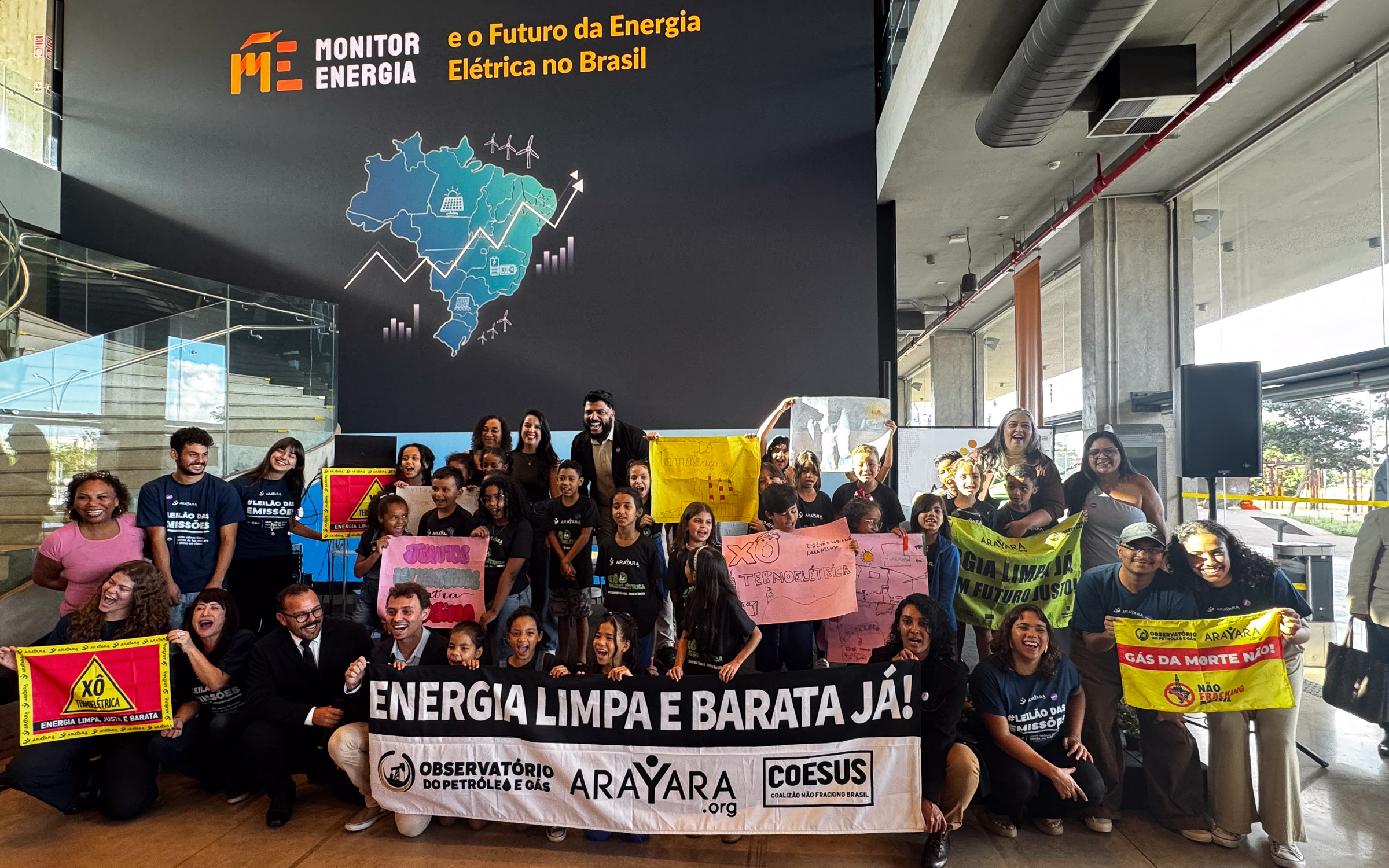
Monitor Energia (Monitor Energia, 2026) is a digital platform essential for transparency and monitoring of the energy transition in Brazil, by bringing together, in a single environment, reliable, updated, and accessible data on generation, consumption, emissions, and socio-environmental impacts of the electricity sector. Developed by the Instituto Arayara, the system integrates multiple data sources — both public and independent — addressing the historical problem of fragmented information and enabling more comprehensive analyses by civil society, researchers, and decision-makers.
Among its main functionalities are the interactive visualization of energy expansion projects across the national territory, with filters by source, location, company, and stage; the analysis of the share of renewable and fossil sources in the electricity matrix; the identification of overlaps with sensitive areas such as Indigenous Lands and Conservation Units; and access to estimates of greenhouse gas emissions and economic data for the sector. In this way, Monitor Energia is consolidated as a strategic tool to support informed decision-making, promote climate justice, and strengthen progress toward a clean and just energy transition in the country.
The platform can be accessed at: https://monitorenergia.org.br/
Awareness campaigns and policy advocacy on Fracking (bottom-up initiatives rather than top-down)
A relevant experience that can be shared as a best practice is the work of Instituto Arayara in restricting the exploration of unconventional gas through hydraulic fracturing (fracking) in Brazil. Through the campaign “Não Fracking Brasil”, carried out in coordination with COESUS, it was possible to structure a multiscalar strategy combining social mobilization, production of technical knowledge, legislative advocacy, and strategic litigation. This approach resulted in the approval of prohibitive legislation in hundreds of municipalities and in states such as Paraná and Santa Catarina, in addition to influencing judicial and regulatory decisions that limited the expansion of this activity in the country.
Among the main lessons learned is the importance of acting preventively, blocking the expansion of new fossil frontiers before the consolidation of investments and infrastructure that generate carbon lock-in. It also highlights the central role of coordination between civil society, local communities, and decision-makers, as well as the use of technical data and scientific evidence to support public policies and legal actions.
This experience demonstrates that integrated and territorialized strategies can be highly effective in aligning energy policies with climate objectives, contributing to a faster, fairer, and more sustainable energy transition.
Decommissioning of Coal Plants + Worker Transition
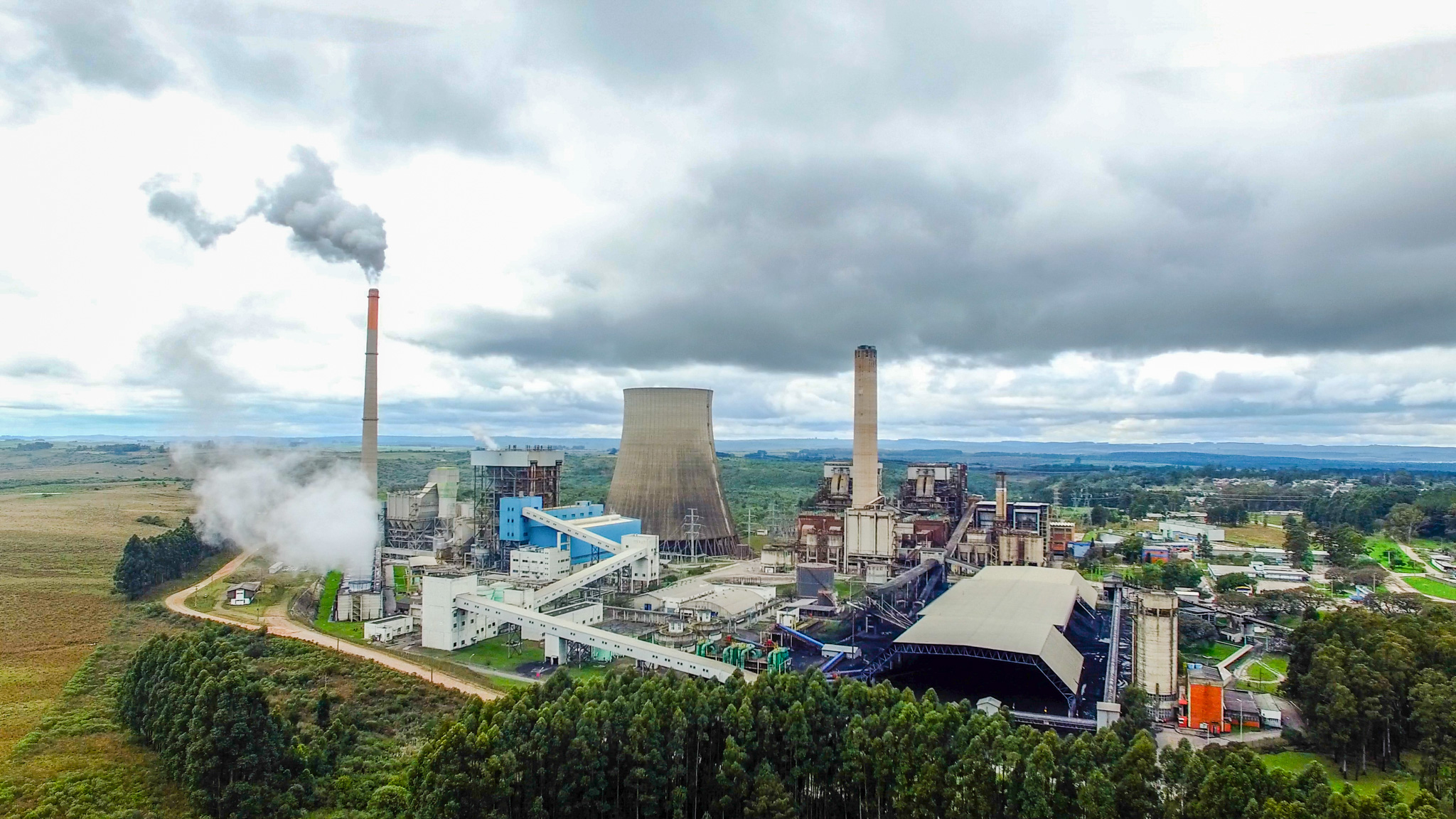
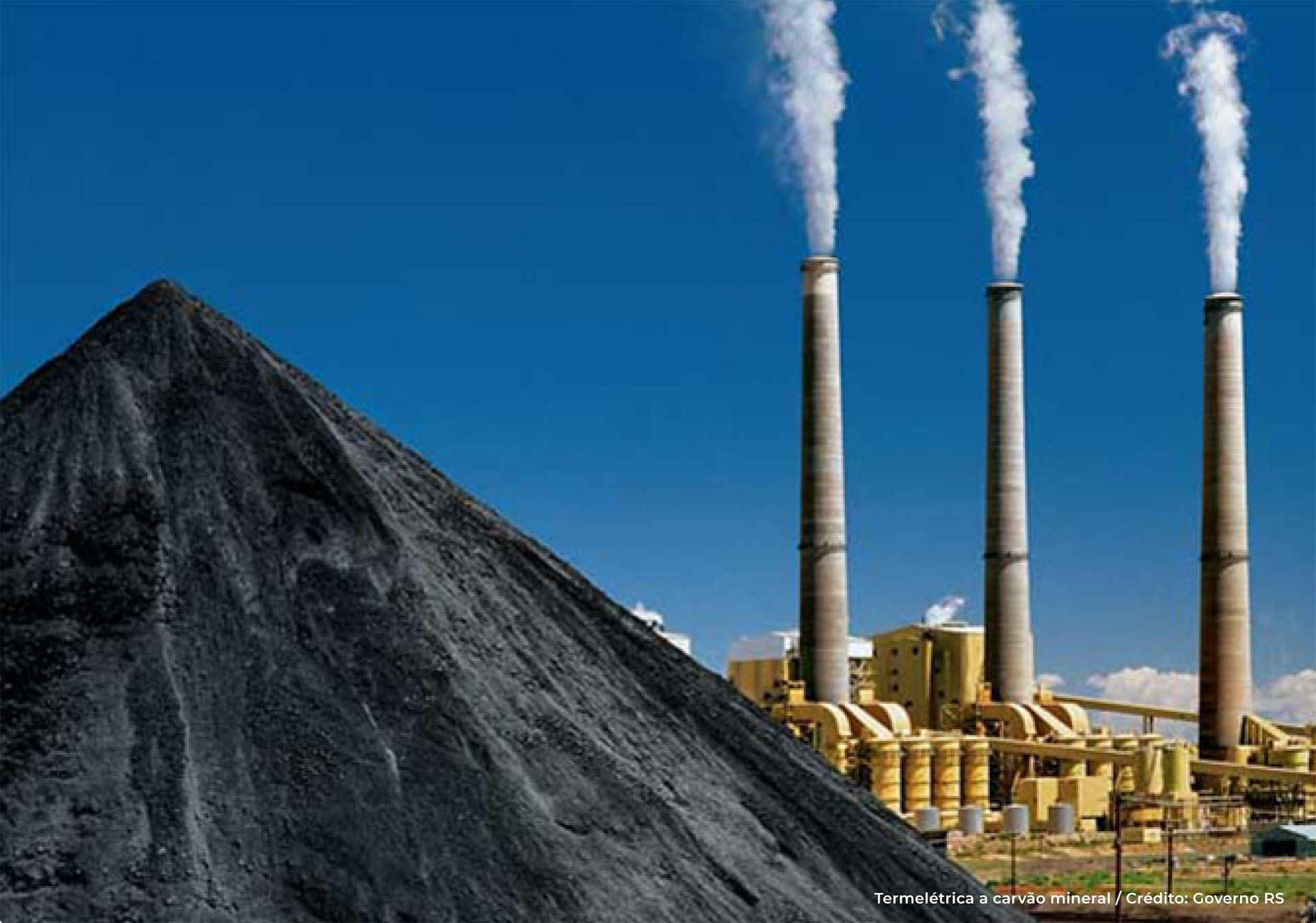
A relevant experience that can be shared as a best practice is the case of the planned decommissioning of the coal complex of Candiota (RS), analyzed in the report Coal in Candiota: Health and Economic Impacts of Mining (2017–2040), developed by CREA and Instituto Arayara. The study proposes an accelerated phase-out schedule for coal plants and mining, combined with the elimination of subsidies and the suspension of new fossil investments, as a way to avoid carbon lock-in and reduce socio-environmental impacts. This approach demonstrates the importance of establishing clear and predictable signals for the market and society, integrating energy planning, regulation, and climate targets into a coherent transition strategy.
Among the main lessons learned is the need to align decommissioning with robust just transition policies, including social protection programs, professional retraining, and regional economic diversification, financed by the redirection of resources previously allocated to the fossil sector. The case also highlights that considering socio-economic and public health costs — such as premature deaths and productivity losses associated with pollution — is essential to support energy policy decisions.
Regarding workers specifically, the Candiota experience points to the implementation of concrete measures, such as early retirement programs for coal sector workers, considering the progressive closure of activities, and professional retraining policies aimed at integration into renewable energy sectors and other sustainable value chains. It also emphasizes the importance of active worker participation in designing these alternatives, through the strengthening of unions and social dialogue spaces, ensuring that their demands are incorporated into transition planning.
Another key element is ensuring safe working conditions during the decommissioning process, especially in activities involving environmental and operational risks, preventing the transfer of liabilities to workers. Finally, the experience highlights the importance of promoting local economic development through value addition in strategic chains, such as critical minerals, generating qualified, formal, and well-paid jobs in the affected regions. These recommendations demonstrate that a successful transition depends not only on the closure of fossil activities, but also on the construction of concrete, inclusive, and territorially oriented alternatives for workers and their communities.
(d) How can a just transition reflect different realities?
Common but Differentiated Responsibilities and Climate Finance
A just, orderly, and equitable transition must reflect the principle of common but differentiated responsibilities, recognizing that countries at different stages of development have distinct capacities and levels of dependence on fossil fuels. In the context of Latin America, this challenge is embedded in a broader and more complex process of integration into the global economy, in which the energy transition emerges under external pressures and the dynamics of international economic hegemony. Ensuring justice, therefore, implies recognizing that requirements cannot be uniform, making it necessary to adopt approaches that reconcile emissions mitigation with social and economic development, through solutions tailored to national and regional realities. Despite recent progress — such as the commitment of about half of the countries in the region, including Brazil, Chile, Costa Rica, and Colombia, to achieve climate neutrality by 2050 — significant structural challenges remain, particularly regarding the low adoption of energy efficiency measures, as less than one third of countries have minimum standards for industrial motors or household appliances, and few have implemented mandatory building codes (Pérez et al., 2021).
In addition, although emerging initiatives such as hydrogen strategies and pilot projects — particularly in Brazil and Chile — signal technological progress, the scale of investment remains insufficient given the urgency of the climate crisis. To align the region with climate targets, it will be necessary to quadruple annual investment in clean energy between 2026 and 2030 compared to the previous decade, allowing the peak in fossil fuel consumption to occur within this decade (IEA, 2024). In this sense, it is essential that developed countries lead the progressive elimination of fossil fuels, with more ambitious targets and greater provision of climate finance, technology transfer, and institutional support. However, this differentiation does not exempt other countries from also adopting concrete measures to reduce their fossil dependence. The transition will therefore require a review of strategies to expand renewable energy, promote the decarbonization of transport and industry, gradually reduce fossil subsidies, and strengthen financing mechanisms. It is a complex process, but an essential one, requiring coordinated and proportional efforts to enable a just and sustainable energy transformation.
Support for Developing Countries: Access to Finance
Climate finance is a central element to enable the expansion of renewable energy and accelerate the energy transition in Latin America and the Caribbean. However, current financial flows remain insufficient and unbalanced. Between 2013 and 2019, it is estimated that US$171 billion were allocated to energy subsidies in the region, primarily concentrated in fossil fuels such as oil and gas (Pérez et al., 2021), demonstrating a resource allocation that still favors carbon-intensive technologies.
This structure not only creates distortions in energy prices, but also limits the competitiveness of renewable sources and delays the decarbonization of key sectors. In addition, in producer countries such as Venezuela, Trinidad and Tobago, Ecuador, and Mexico, these subsidies generate negative impacts both in the energy sector and in the economy as a whole (Pérez et al., 2021).
Although about half of the countries in the region — including Brazil, Chile, Costa Rica, and Colombia — have committed to achieving net-zero emissions by 2050, investments in clean energy remain insufficient. To align with these targets, it will be necessary to quadruple annual investment in clean energy between 2026 and 2030 compared to the previous decade, allowing the peak in fossil fuel consumption to occur within this decade (IEA, 2025a). To achieve this, it will be essential to reduce the cost of capital, improve the economic viability of renewable projects, and mitigate macroeconomic risks that still limit investment attraction in the region. Without a robust climate finance strategy, Latin America risks perpetuating its dependence on fossil fuels and progressing insufficiently in the face of the urgency of the climate crisis.
Just Transition Beyond Fossil Fuels
A just transition beyond fossil fuels must be structured as an integrated public policy, combining decarbonization with social inclusion, job creation, and territorial economic development. To this end, it is essential that the transition be built with the active participation of workers and affected communities, ensuring that they are not merely informed about the process, but directly engaged in shaping alternatives for the new energy matrix. This involvement strengthens the legitimacy of policies and reduces risks of social exclusion.
In the social protection dimension, it is essential to implement specific programs for workers in declining sectors, such as early retirement schemes for activities that will be phased out — such as coal in southern Brazil — in addition to robust policies for professional retraining and the guarantee of formal, quality jobs in the renewable energy sector. These programs should be financed primarily through resources previously allocated to fossil subsidies, ensuring that the transition also represents a fair reallocation of public investments. Furthermore, it is necessary to ensure safe working conditions in decommissioning processes, including high-risk activities such as the removal of hazardous materials, guaranteeing strict health and safety protocols.
Finally, a just transition must be guided by long-term sustainable economic development, promoting local industrialization and value addition, particularly in the context of the extraction of critical minerals for the energy transition. Rather than maintaining a primary-export model, it is essential to direct these value chains toward domestic industry, generating qualified, well-paid jobs distributed territorially. In this way, the energy transition ceases to be merely a technological shift and becomes a vector of structural transformation, capable of reducing inequalities, promoting universal access to energy, and ensuring lasting benefits for society.
REFERENCES
AEF – AFRICA-EUROPE FOUNDATION. Overcoming carbon lock-in: Rethinking Export Finance and Investment Law. 2025. Disponível em: <https://back.africaeuropefoundation.org/uploads/AEF_Research_Facility_Policy_Report_Overcoming_Carbon_Lock_in_PCR_JA_2025_2d603d430f.pdf>. Acesso em: 20 de março de 2026.
ARAYARA.org et al. THE MONEY TRAIL BEHIND FOSSIL FUEL EXPANSION IN LATIN AMERICA AND THE CARIBBEAN. 2025. Disponível em: <https://arayara.org/wp-content/uploads/2025/10/LAC-Report-for-Media-08-10-2025.pdf>. Acesso em: 19 de março de 2026.
BRASIL. Novo PAC – Transição e Segurança Energética. Casa Civil, 2025. Disponível em: <https://www.gov.br/casacivil/pt-br/novopac/transicao-e-seguranca-energetica>. Acesso em: 19 de março de 2026.
EPE – EMPRESA DE PESQUISA ENERGÉTICA. Caderno de preços da geração. 2021. Disponível em: <https://www.epe.gov.br/sites-pt/publicacoes-dados-abertos/publicacoes/PublishingImages/pt/publicacoes-dados-abertos/publicacoes/caderno-de-precos-da-geracao/CadernodePre%C3%A7osdeGera%C3%A7%C3%A3o_r0.pdf>. 2025. Acesso em: 03 de dezembro de 2025.
EPE – EMPRESA DE PESQUISA ENERGÉTICA. LRCAP/2026 – Gás Natural, Carvão e UHE – Informações sobre a Habilitação Técnica e sobre Projetos Vencedores. 2026. Disponível em: <https://www.epe.gov.br/sites-pt/publicacoes-dados-abertos/publicacoes/PublicacoesArquivos/publicacao-912/Informe%20Vencedores%20LRCAP%20G%C3%A1s,%20Carv%C3%A3o%20e%20UHE.pdf>. Acesso em: 19 de março de 2026.
FNCE – FRENTE NACIONAL DOS CONSUMIDORES DE ENERGIA. LRCAP aumentará em 10% a conta de luz dos consumidores brasileiros. 2026. Disponível em: <https://consumidoresdeenergia.org/noticias/lrcap-fracassa-na-competicao-e-aumentara-em-10-a-conta-de-luz-dos-brasileiros/>. Acesso em: 20 de março de 2026.
IEA – INTERNATIONAL ENERGY AGENCY. Net Zero by 2050 A Roadmap for the Global Energy Sector. 2021. Disponível em: <https://iea.blob.core.windows.net/assets/deebef5d-0c34-4539-9d0c-10b13d840027/NetZeroby2050-ARoadmapfortheGlobalEnergySector_CORR.pdf>. Acesso em: 16 de dezembro de 2021.
International Energy Agency (IEA). (2024). World Energy Investment 2024 – Latin America and the Caribbean. Paris: IEA.
IEA – INTERNATIONAL ENERGY AGENCY. Renewables 2025 – Analysis and forecasts to 2030. 2025a. Disponível em: <https://www.iea.org/reports/renewables-2025>. Acesso em: 20 de março de 2026.
IEA – INTERNATIONAL ENERGY AGENCY. World Energy Outlook. 2025b. Disponível em: <https://www.iea.org/reports/world-energy-outlook-2025>. Acesso em: 20 de março de 2026.
IEA (2023), Latin America Energy Outlook 2023, IEA, Paris https://www.iea.org/reports/latin-america-energy-outlook-2023, License: CC BY 4.0
Lins, Clarissa, Guilherme Ferreira, Leonardo Bastos & Bernardo Corrêa. 2025. “Transitioning Away from Fossil Fuels: Insights to Drive Implementation.” CEBRI-Journal Year 4, No. 15 (Jul-Sep): 47-59.
MME – MINISTÉRIO DE MINAS E ENERGIA. Portaria Normativa MME nº 118, de 23 de outubro de 2025. Estabelece as Diretrizes e a Sistemática para realização do Leilão para Contratação de Potência Elétrica, a partir de empreendimentos de geração termelétrica a gás natural novos e existentes, a carvão mineral existentes, e ampliação de empreendimentos hidrelétricos denominado “Leilão de Reserva de Capacidade na forma de Potência de 2026 – LRCAP de 2026 – UTEs a Gás Natural, Carvão Mineral e UHEs”. Diário Oficial da União. 2025. Disponível em: <https://www.in.gov.br/en/web/dou/-/portaria-normativa-mme-n-118-de-23-de-outubro-de-2025-664864616>. Acesso em: 20 de março de 2026.
MONITOR ENERGIA. ARAYARA.org – Instituto Internacional ARAYARA. MONITOR ENERGIA – Monitoramento progressivo e contínuo da matriz energética do Brasil. 2025. Disponível em: <https://monitorenergia.org/>. Acesso em: 20 de março de 2026.
Pérez Urdiales, M., Yépez-García, A., Tolmasquim, M., Alatorre, C., Rasteletti, A., Stampini, M., y Carvalho Metanias Hallack, M. (2021). El papel de la transición energética en la recuperación sostenible de América Latina y el Caribe. https://doi.org/10.18235/0003214