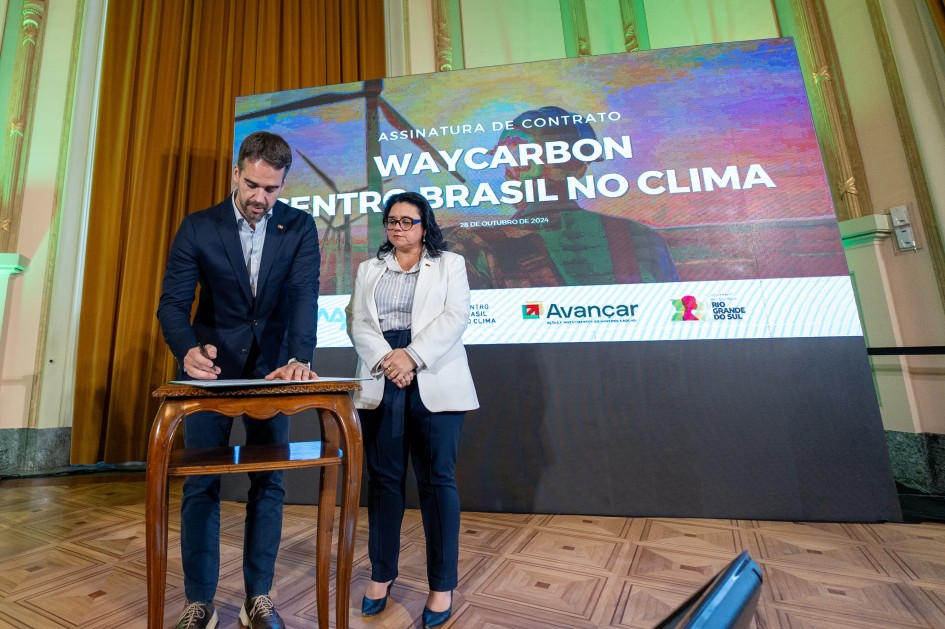
The development of the Just Energy Transition Plan for Rio Grande do Sul, contracted in October of the last year by the state government with the company WayCarbon and the Centro Brasil no Clima (CBC), is a matter of legal dispute. At the end of December, a preliminary court ruling suspended the agreement for conducting the study, which is expected to be concluded by November 2025.
The ruling was issued by Judge Patrícia Antunes Laydner, from the Regional Environmental Court of the State of Rio Grande do Sul, in response to a Public Civil Action (ACP) filed by the ARAYARA International Institute. The suspension will remain in place “until the technical committee being negotiated between the parties (ARAYARA International Institute and the state government) is effectively established or until some other measure is adopted by mutual agreement.”
The Public Civil Action indicates that ARAYARA requested a preliminary injunction to “compel the State of Rio Grande do Sul to establish a participatory committee for drafting the just energy transition plan, with the involvement of the state government, the municipality of Candiota, at least two civil society organizations active in energy transition, the Federal University of Rio Grande do Sul (UFRGS), and the State Public Prosecutor’s Office.” The municipality of Candiota is mentioned as it contains the largest coal reserve in the country.
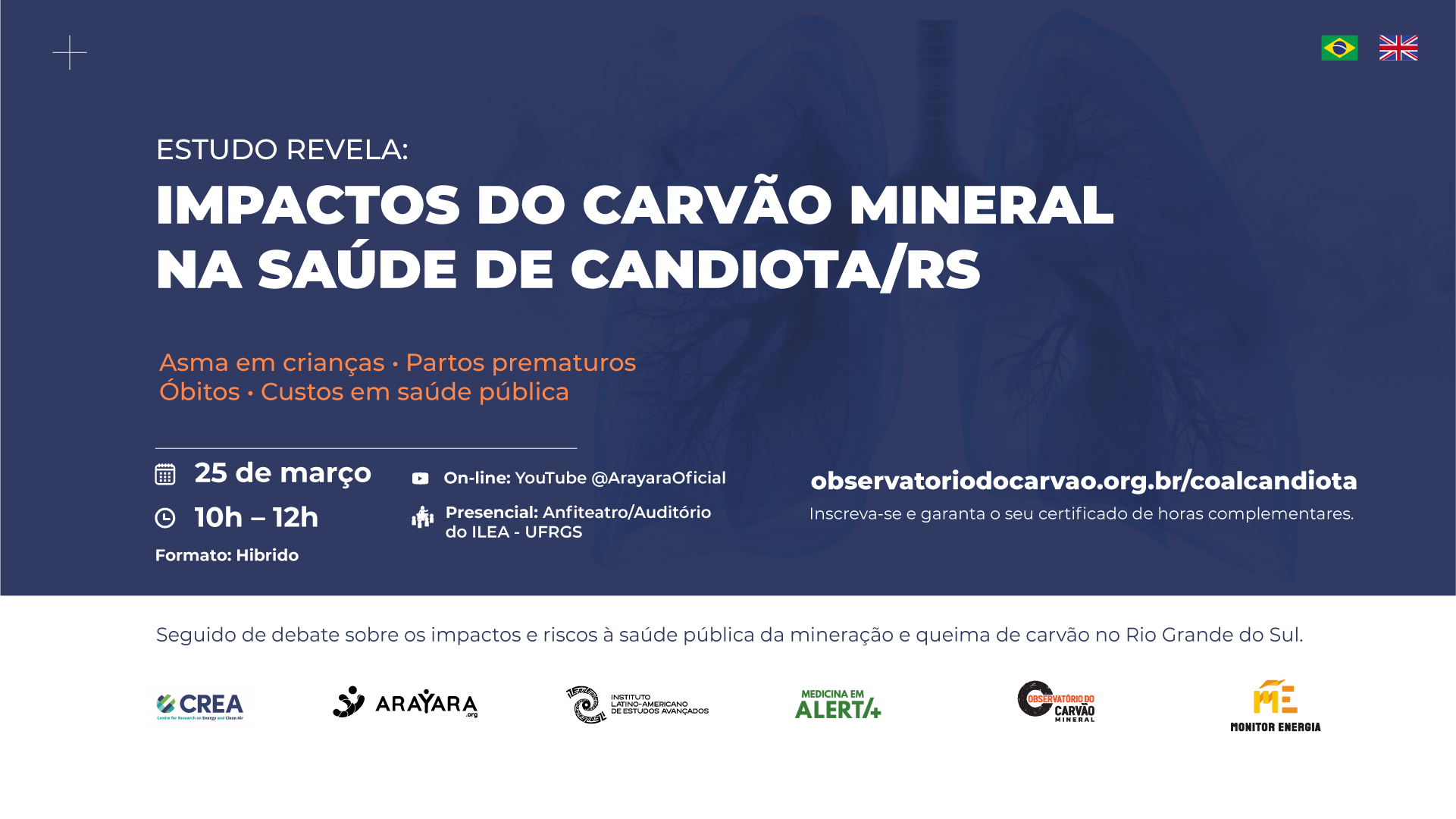
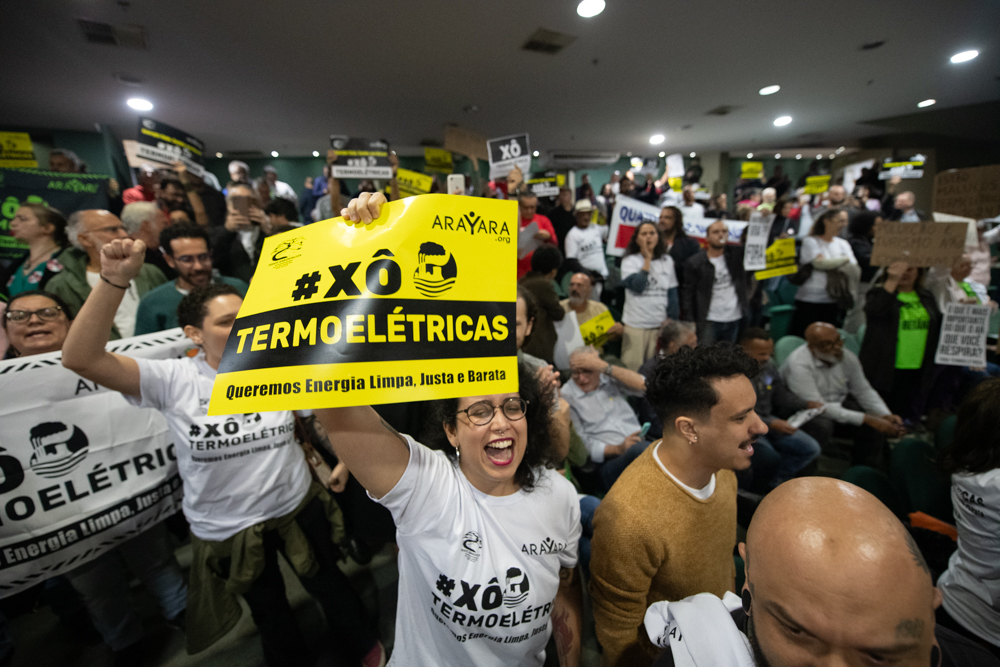
Juliano Bueno de Araújo, a postdoctoral researcher in energy and director of the ARAYARA, argues that the government’s energy transition plan does not meet the real requirements for implementing such an important initiative. He highlights that the proposal does not include discussions about wind, solar, and biomass energy (energy generated from organic matter) or address issues of energy efficiency and the reduction of greenhouse gas emissions.
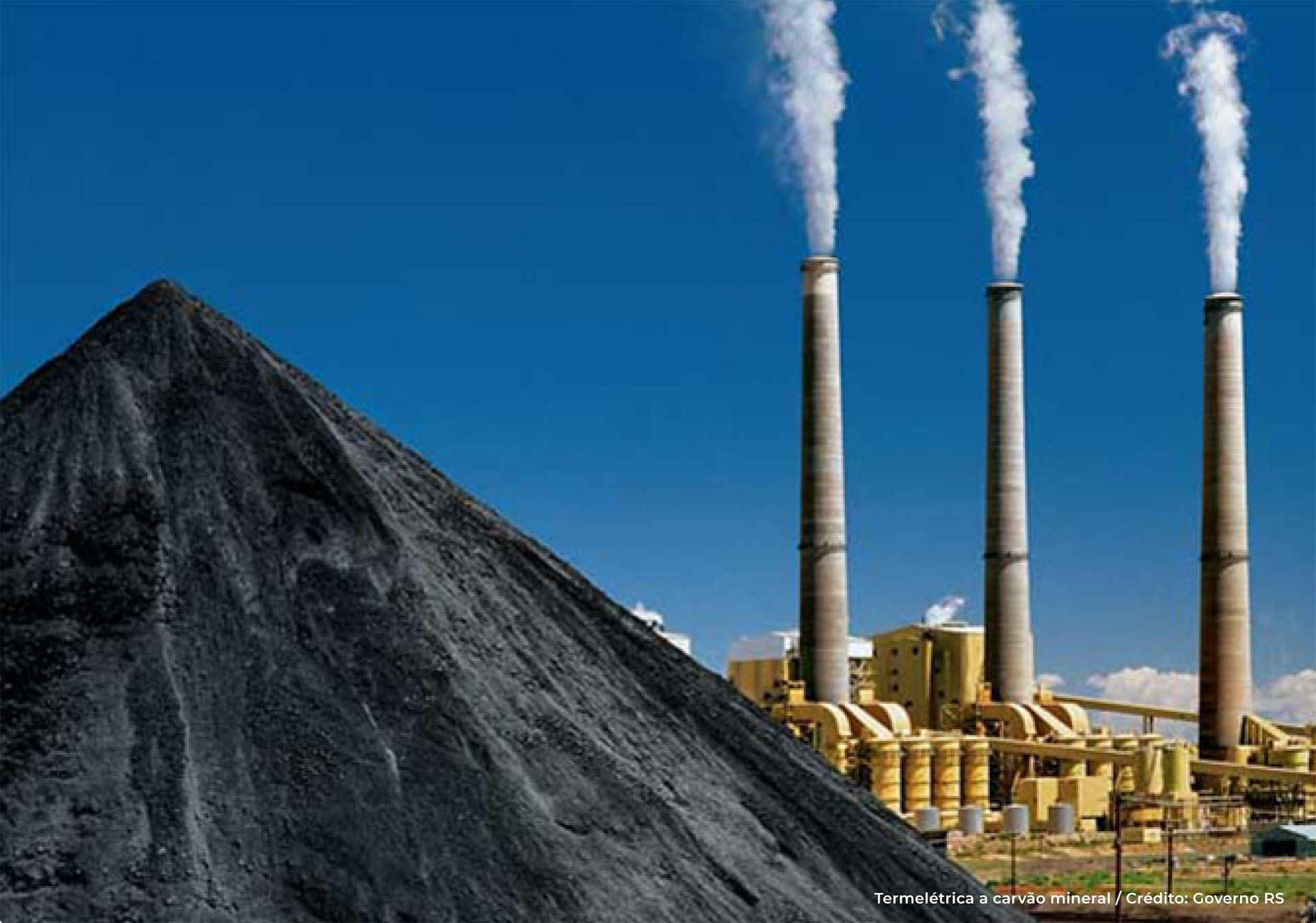
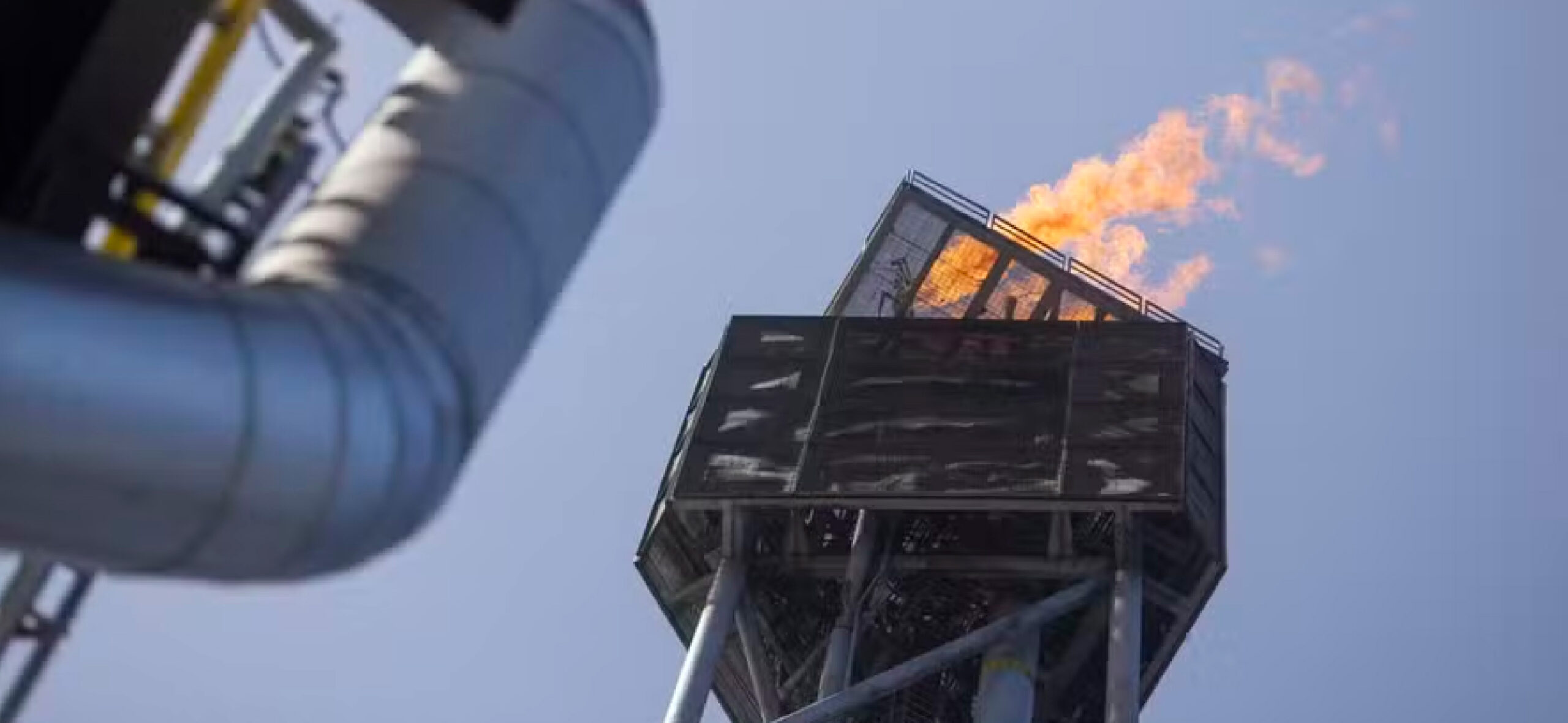
Araújo, who is also a doctor in environmental risks and emergencies, further emphasizes that the initial proposal presented by the state government focuses on maintaining coal-related activities. In her ruling, the judge noted that the contract includes scenarios that evaluate the continuation of activities involving coal use (such as thermoelectric generation), “which could compromise the decarbonization objectives Brazil committed to under the Paris Agreement, providing another reason for this type of decision to undergo broad social debate.”
Araújo argues that when discussing a transition, it means changing, altering, and modifying what currently exists, not extending the status quo. He claims that the government’s approach amounts to “greenwashing,” using terms that suggest action in a certain direction while the actual initiative does not align with the stated goals.
The ARAYARA representative also criticized the small budget allocated by the state government (R$ 2.3 million) for drafting its energy transition plan. He warns that Brazilian regions failing to reduce emissions will lose international market access and competitiveness, as importers are unwilling to buy products from areas contributing to environmental harm.
According to Araújo, ARAYARA’s goal is for Rio Grande do Sul to achieve clean and affordable electricity, as well as a climate adaptation plan that addresses its real needs. “The economic interests of a few cannot outweigh the interests of the people of Rio Grande do Sul,” he asserts. Contacted by the Jornal do Comércio (JC) for comment, the State Secretariat for the Environment and Infrastructure (Sema) stated through its press office that it would not comment while the case is ongoing.
Fonte: Jornal do Comércio