+55 (41) 9 8445 0000 arayara@arayara.org

Court of Auditors of the State of Maranhão participates in the No Fracking Brazil campaign

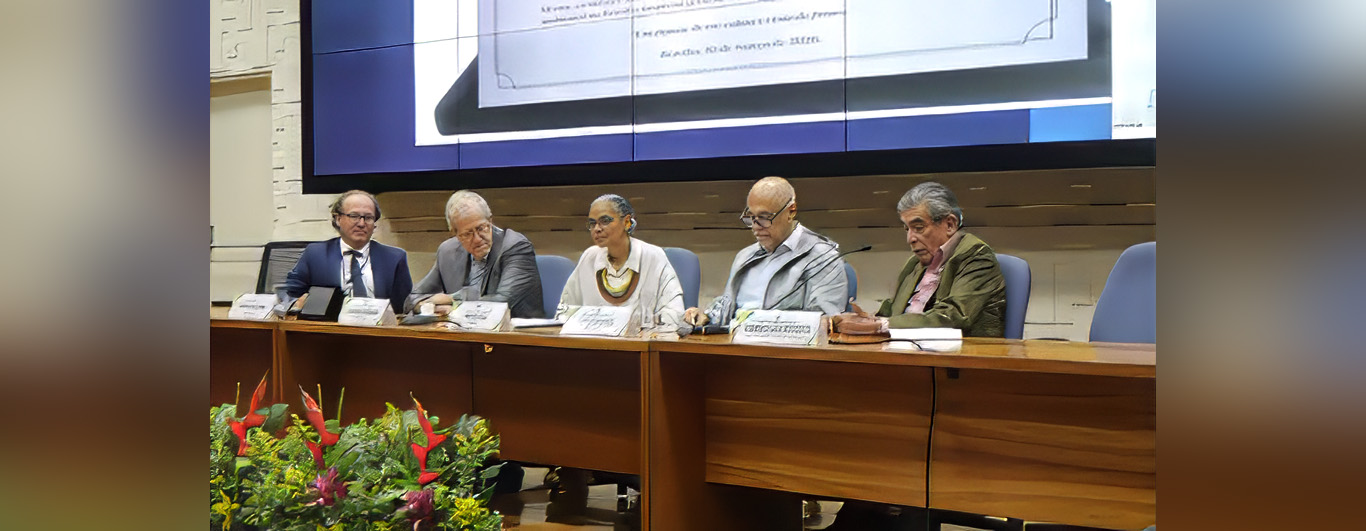
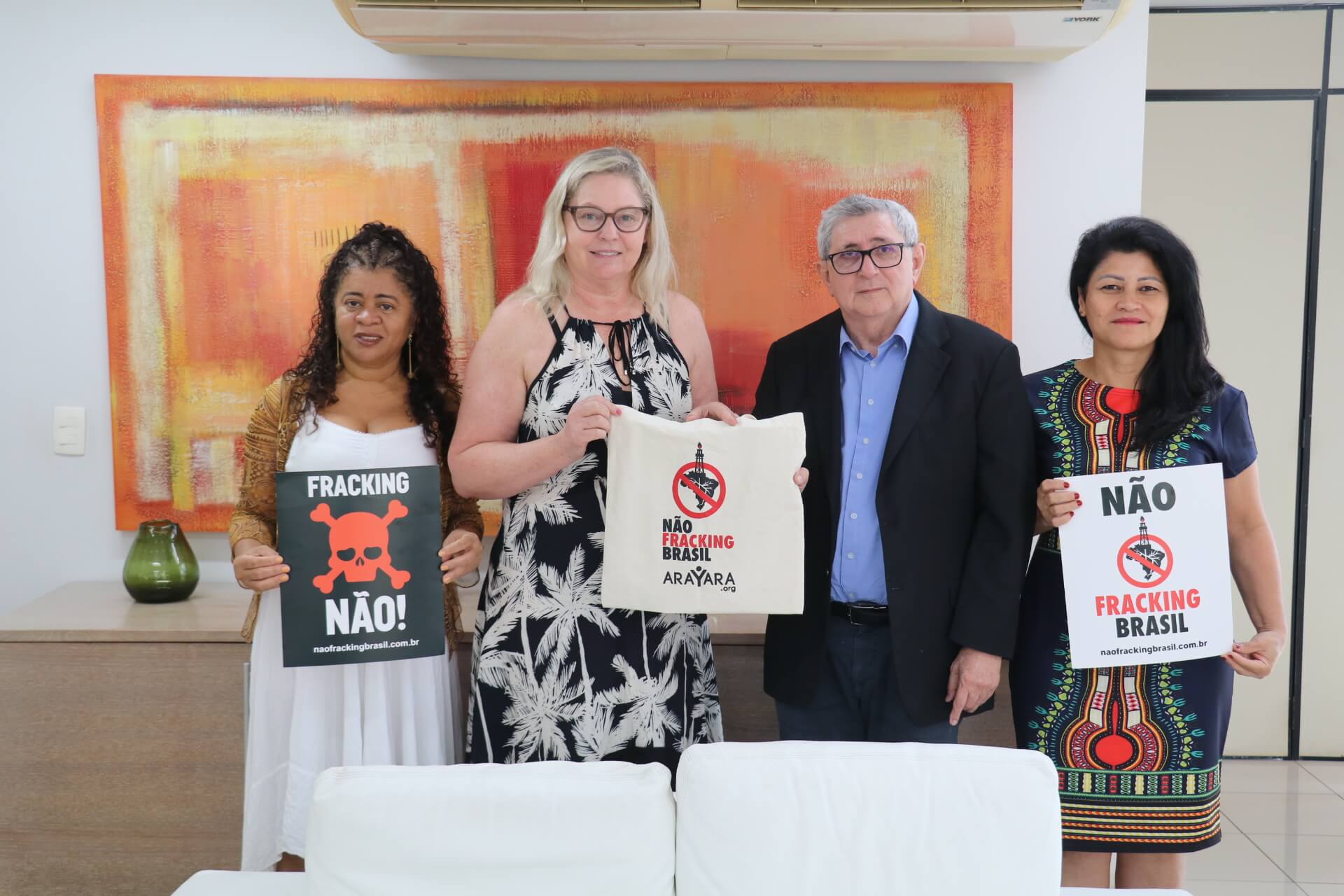
Meeting attended by the President Councilor of TCE-MA

What is fracking?

Fracking – also known as hydraulic fracturing – is a process that involves injecting large volumes of water, chemicals, and sand at high pressure into underground rock layers to release trapped natural gas. Although this technique is already used in several countries, it is controversial due to its environmental and ecological damage, including groundwater contamination, greenhouse gas emissions, induced earthquakes, etc.


The anti-fracking campaign team (ARAYARA.org and COESUS – Coalition No Fracking Brazil for Water and Life) participated in a meeting with the Court of Auditors of the State of Maranhão – TCE-MA – on September 2, 2022. The visit to the TCE headquarters aimed to explain the impacts of fracking on the economy and public expenditure of the state.

Washington Luiz de Oliveira, the President Councilor of TCE-MA, attended the training conducted by the No Fracking Brazil campaign and expressed concern about the issues surrounding economic activities that will be highly impacted by the unconventional shale gas extraction method, known as hydraulic fracturing or “fracking”. During the meeting, Oliveira committed to organizing a technical seminar in collaboration with COESUS on the impacts of fracking on the economy of municipalities and the state of Maranhão.

“This is an issue that deserves the utmost attention from the government and public institutions and will be the subject of study and monitoring within the scope of external control from now on” said the councilor.

Fracking has negative effects on the economy of municipalities, such as the increase in diseases caused by the technique and the lack of water resources. The agriculture sector is the most affected, as the food becomes contaminated and unfit for consumption. Therefore, the interest and engagement of TCE-MA in this matter and their proactivity in protecting the population are of great importance


Compartilhe

Share on whatsapp
WhatsApp
Share on facebook
Facebook
Share on twitter
Twitter
Share on linkedin
LinkedIn

Enviar Comentário

O seu endereço de e-mail não será publicado. Campos obrigatórios são marcados com *

Redes Sociais

Posts Recentes

Receba as atualizações mais recentes

Faça parte da nossa rede

Sem spam, notificações apenas sobre novidades, campanhas, atualizações.

Leia também

Posts relacionados

Na Mídia | Flexibilização do licenciamento ambiental entra em vigor nesta quarta com ações no STF alegando inconstitucionalidade

Derrubada de 56 vetos de Lula pelo Congresso restituiu ao texto dispositivos que ampliam modalidades simplificadas, reduzem a participação de órgãos setoriais e restringem exigências previstas em normas anteriores Por Luis Felipe Azevedo — Rio de Janeiro – O Globo   A Lei Geral do Licenciamento Ambiental, que flexibiliza o processo de concessão de licenças, entrou em vigor nesta quarta-feira, 180

Leia Mais »

Na mídia | Fracking: STJ pode avaliar uso de técnica controversa e redefinir exploração de gás neste semestre

Processo que discute viabilidade jurídica e condições técnicas para o fraturamento hidráulico foi instaurado pelo tribunal após 11 anos de impasse; tema mobiliza mais de 500 municípios brasileiros Por: Gabriela da Cunha –  Estadão.com Com a volta do ano judiciário, em fevereiro, o STJ pode levar a julgamento, ainda neste semestre, a ação sobre o uso do fracking no País.

Leia Mais »

Na mídia | Mapa do caminho: sociedade civil propõe diretrizes para que plano de transição energética vá além da retórica

Por Luciana Casemiro – O Globo (28/01/2026) Termina na próxima sexta-feira o prazo dado pelo presidente Lula para que sejam estabelecidas as diretrizes para o plano transição energética no Brasil. O chamado mapa do caminho para o fim da dependência dos combustíveis fósseis foi uma proposta apresentada pelo governo brasileiro durante a COP, realizada em Belém, em novembro do ano

Leia Mais »

NA MÍDIA | Projeto da maior usina termelétrica do país é vetado pelo Ibama por falta de informações conclusivas

Usina Termelétrica São Paulo seria construída em Caçapava e era alvo de protestos de ambientalistas; Fiocruz apontava ameaças à saúde   Por Lucas Altino — Rio de Janeiro – O GLOBO   O projeto do que seria a maior usina termelétrica do país e da América latina, em Caçapava (SP), foi vetado pelo Ibama. Nesta quarta (21), o Instituto indeferiu

Leia Mais »