+55 (41) 9 8445 0000 arayara@arayara.org

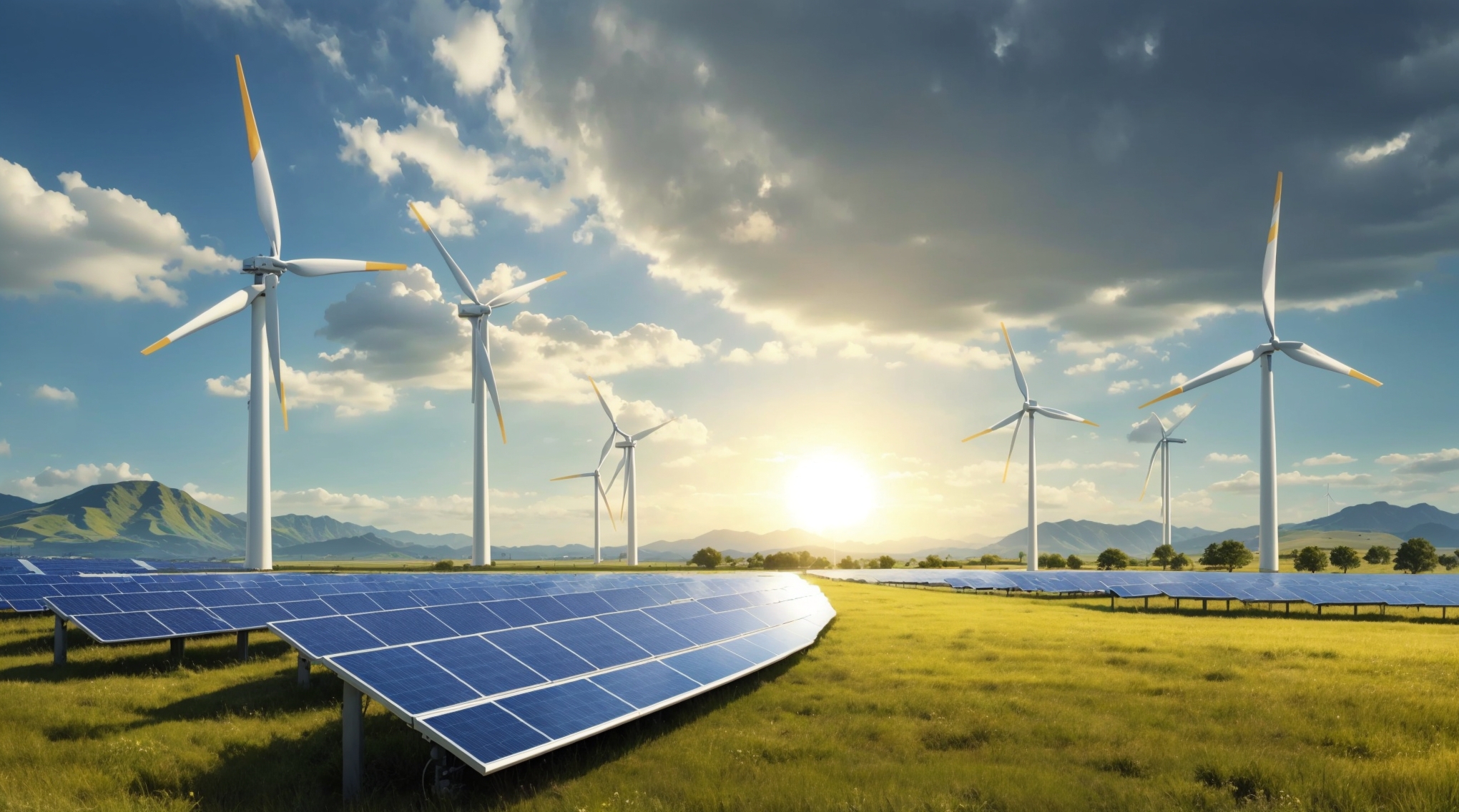
Renewable energies are a major economic breakthrough for the global energy sector

In the midst of the fossil fuel crisis, renewable energy generation in 2022 was responsible for saving 520 billion dollars


In a report released today, August 29, by the International Renewable Energy Agency (IRENA), the world was given further proof of what civil society has been announcing for years: renewable energy is the way to reduce spending on electricity generation and mitigate the effects of the climate emergency.

The IRENA document is called “Renewable energy generation costs in 2022”. It provided data proving that approximately 86% of all newly commissioned renewable capacity for the year – around 187 gigawatts – had lower costs than electricity produced by fossil fuels. The report revealed that the global energy sector has saved 520 billion dollars in fuel costs thanks to renewable energy.

The world is going through a crisis related to non-renewable fuels. Countries are witnessing constant increases in spending on obtaining these resources and on the materials needed to work with the entire fossil fuel chain. Without the adoption of renewable energy generation, many nations would experience serious financial crises trying to overcome the impacts of high prices.

Francesco La Camera, Director General of IRENA, believes that 2022 represents a turning point in the implementation of renewable energies. According to him, they have never been as competitive in the market as they are now. In an analysis of the weighted average cost of electricity, the report shows that utility-scale solar energy fell by 3% and concentrated solar by 2%. Onshore wind, bioenergy and geothermal energy also fell by 5%, 13% and 22% respectively.

Renewable energy generation costs in 2022 show that the era of fossil fuels is over. The world already has more advanced technologies for producing electricity. With renewable sources, energy bills are falling and negative impacts on the world are being reduced.

Compartilhe

Share on whatsapp
WhatsApp
Share on facebook
Facebook
Share on twitter
Twitter
Share on linkedin
LinkedIn

Enviar Comentário

O seu endereço de e-mail não será publicado. Campos obrigatórios são marcados com *

Redes Sociais

Posts Recentes

Receba as atualizações mais recentes

Faça parte da nossa rede

Sem spam, notificações apenas sobre novidades, campanhas, atualizações.

Leia também

Posts relacionados

ARAYARA na Mídia: Arayara: liderazgo ambiental e innovación en la COP30

Arayara presentó en Belém el Monitor de Energía, una herramienta que promete revolucionar la transparencia en el sector energético brasileño. Durante la COP30, busqué temas y debates sobre la transición energética. Fue en Arayara donde encontré discusiones de alto nivel sobre los océanos, el tratamiento de residuos, el derecho ambiental y la justicia social. Pero lo que más me llenó

Leia Mais »

A crise hídrica e o alto custo da água na exploração e queima de carvão mineral no Brasil

O Instituto Internacional ARAYARA marcou presença de destaque no Workshop Internacional Sustentare & WIPIS 2025, realizado de 24 a 28 de novembro, em Campinas, São Paulo. Representada presencialmente pela engenheira ambiental Daniela Giovana da Cunha Barros, coordenadora de Projetos e Clima, a organização levou ao ambiente acadêmico um debate crucial sobre a insustentabilidade do carvão mineral e a expansão de

Leia Mais »

ARAYARA na Mídia: Organizações criticam extensão de subsídios a usinas de carvão mineral

Lei que mantém subsídios públicos para as usinas termelétricas a carvão minera foi aprovada no primeiro dia útil depois do final da COP30 Organizações ambientais e associações de consumidores criticaram a manutenção até 2040 de subsídios públicos para as usinas termelétricas a carvão mineral. A decisão consta na Lei 15.269, chamada de Marco Regulatório do Setor Elétrico (2025), aprovada na segunda

Leia Mais »

ARAYARA na Mídia: La energía solar está ganando terreno en las inversiones públicas mientras que los biocombustibles están perdiendo impulso.

Las inversiones públicas en Brasil revelan desequilibrios en la transición energética. Mientras la energía solar avanza con apoyo financiero y fiscal, los biocombustibles pierden recursos y el petróleo continúa beneficiándose de préstamos e incentivos gubernamentales. La energía solar se consolida como una de las principales apuestas de Brasil para ampliar su participación de mercado. Fuentes renovables en la red eléctricaSin embargo,

Leia Mais »