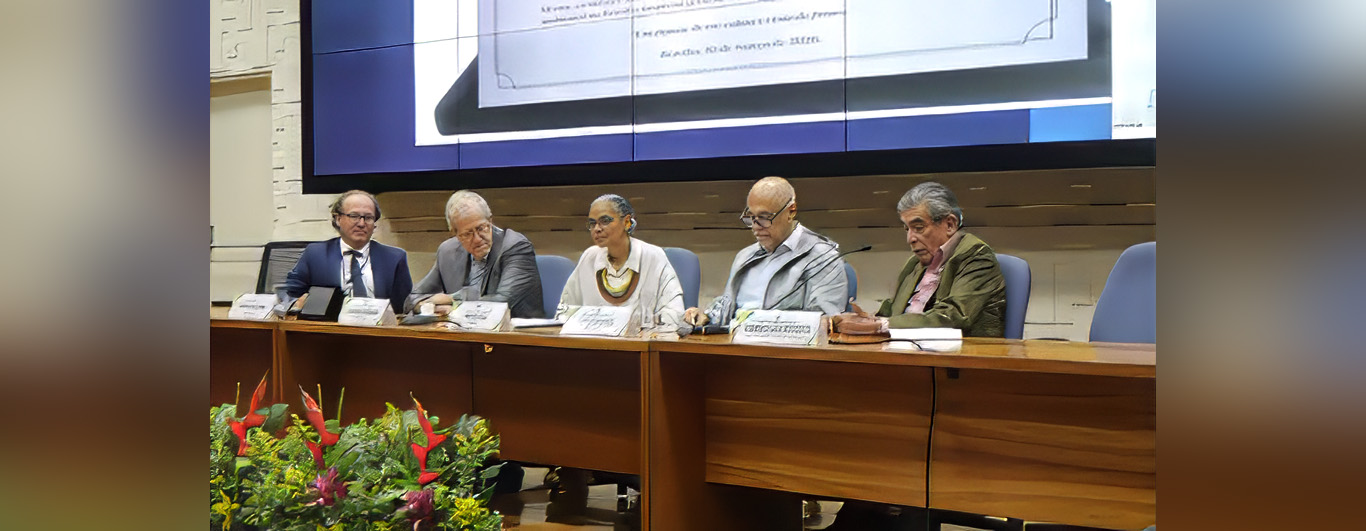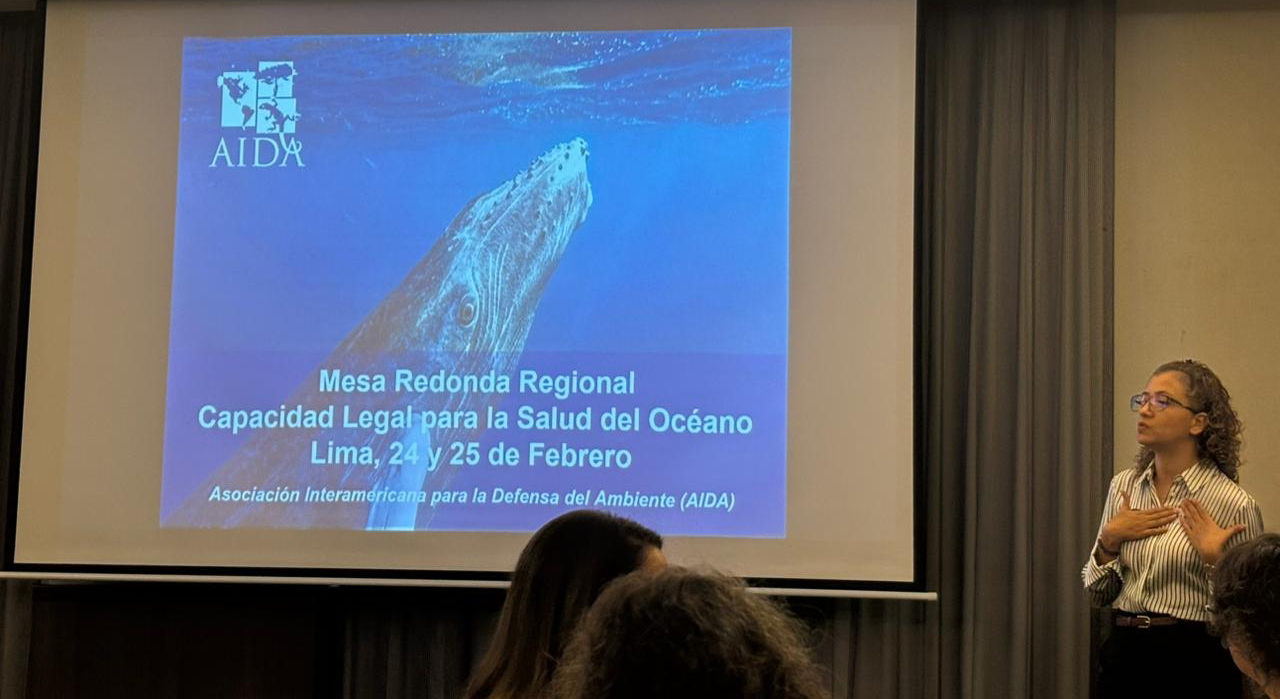
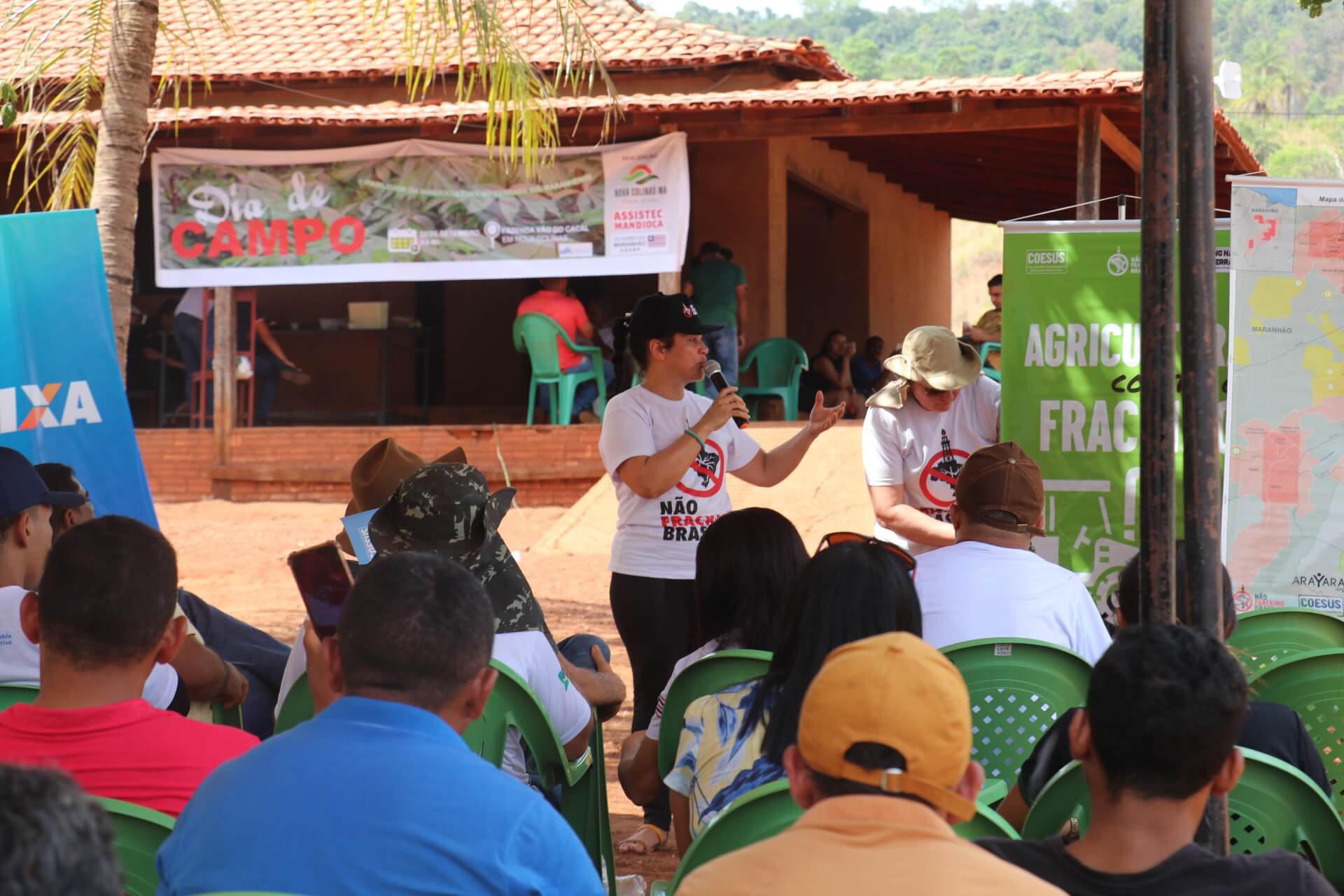
Event took place in Nova Colinas and featured speeches from COESUS about the impact of fracking
What is fracking?
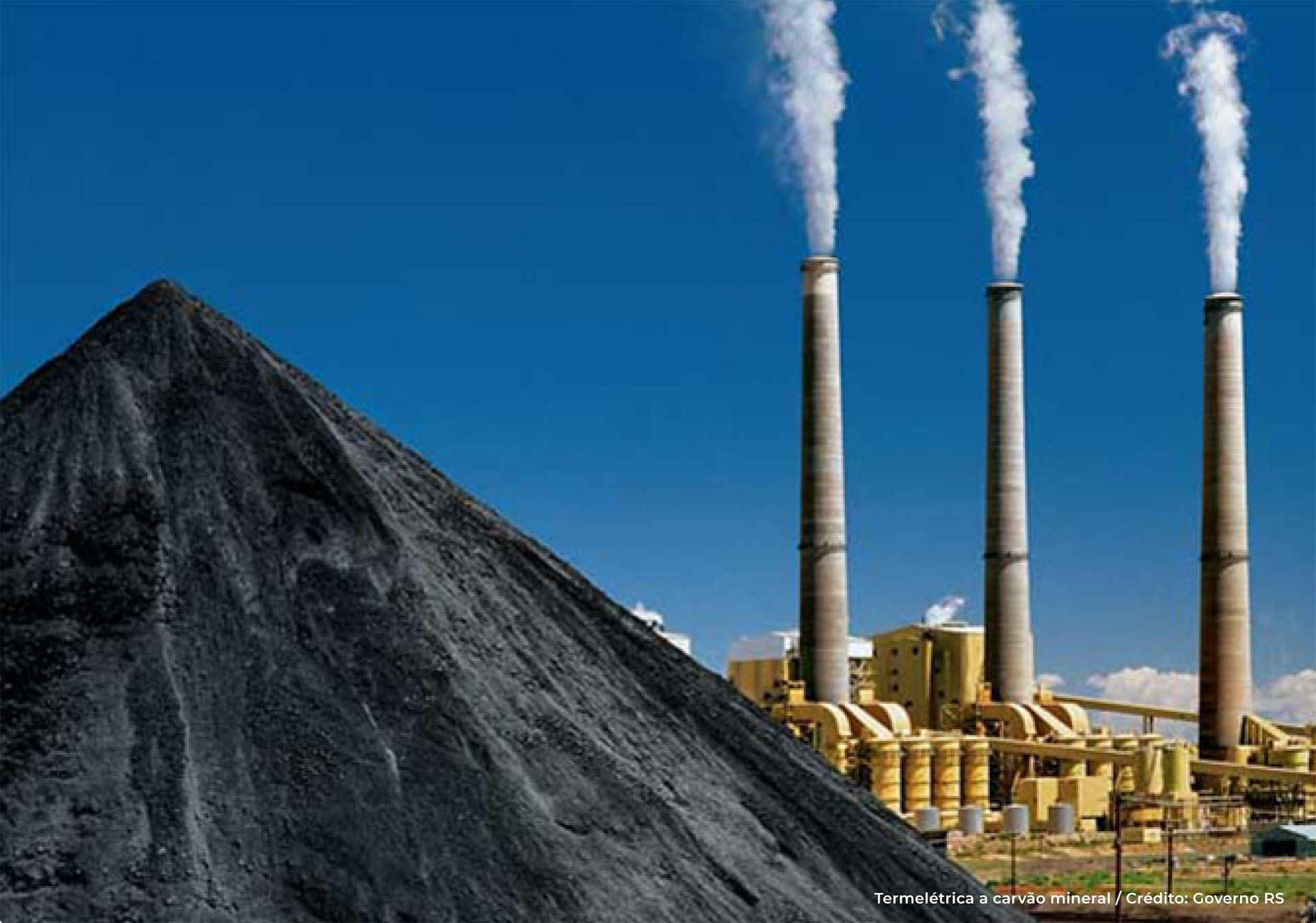
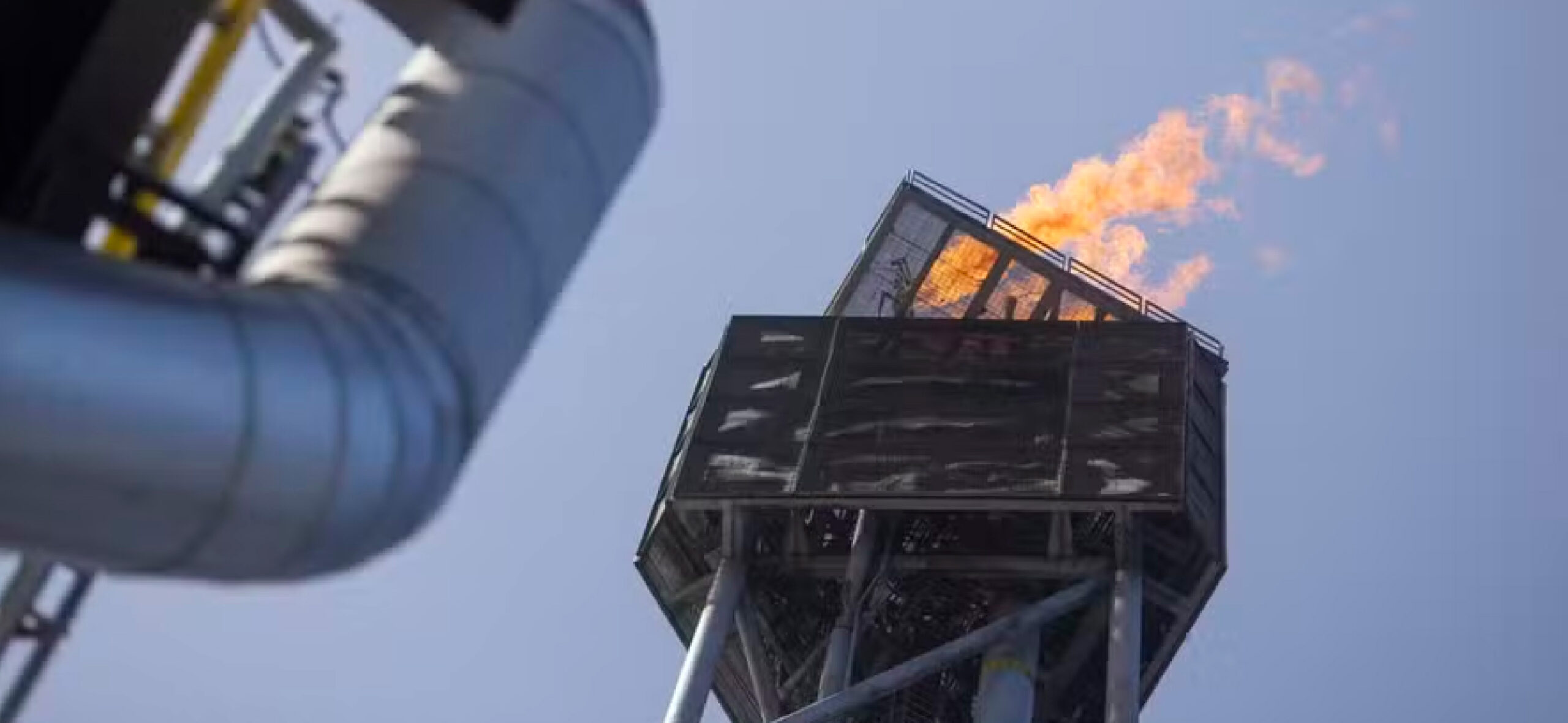
Fracking – also called hydraulic fracturing – is a process that involves injecting large volumes of water, chemicals and sand at high pressure into underground rock layers to release trapped natural gas. Despite being a technique already used in several countries, it is controversial because it causes environmental and ecological damage, including contamination of groundwater, release of greenhouse gases, induced earthquakes, etc.
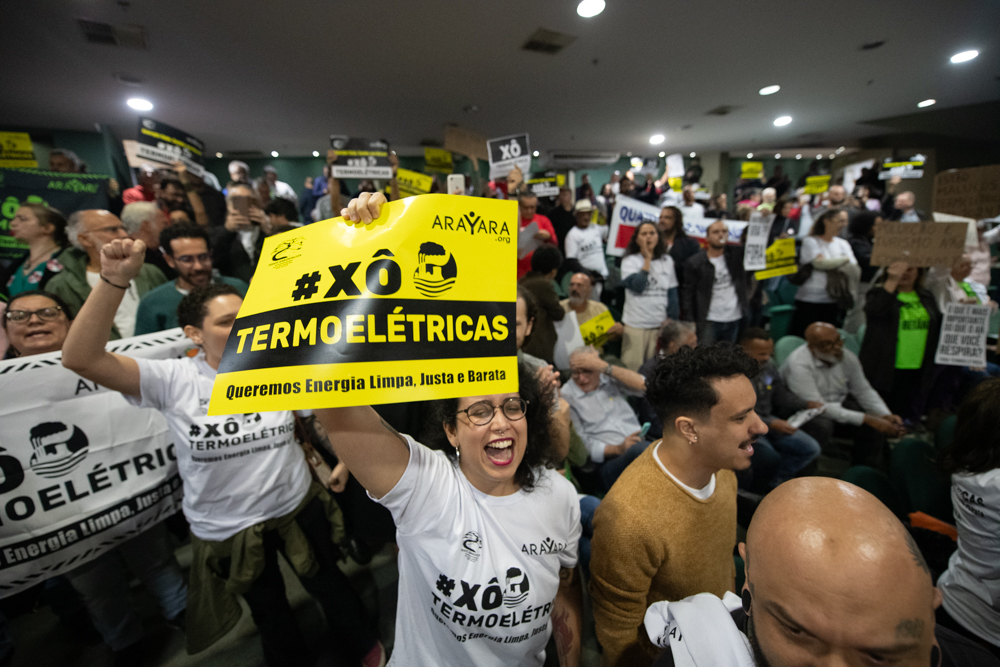
The Field Day event, held in Novas Colinas, Maranhão, on September 23, 2022, brought together about 50 family producers on the property of Mr. Domingo Leão. The initiative, promoted by AGERP – State Agency for Agricultural Research and Rural Extension of Maranhão, had the participation of COESUS – Coalition No Fracking Brazil for Water and Life, a campaign by the Arayara International Institute, which gave a lecture on the impacts of fracking in family production.
The main focus of the event was cassava production and several rural producers shared their experiences on planting, handling, harvesting and other specifics related to the crop. During the discussions, some producers approached the COESUS team to address the direct impacts caused by fracking on their agricultural activities. They expressed concerns and inquired about viable alternatives for power generation on their properties.
The COESUS technician, Suelita Röcker, explained about renewable energy and highlighted the importance of seeking sustainable alternatives that do not compromise people’s health and the environment. In addition, a representative of CAIXA Econômica Federal, present at the event, indicated possible financing options so that producers could install renewable energy systems on their properties.
The Field Day was also attended by the mayor of Novas Colinas, Josei Rego Ribeiro, the deputy mayor, Mariana Pinto Ribeiro and local councilors. During the meeting, COESUS took the opportunity to dialogue with government representatives and invite them to participate in a public session that took place on the same day.