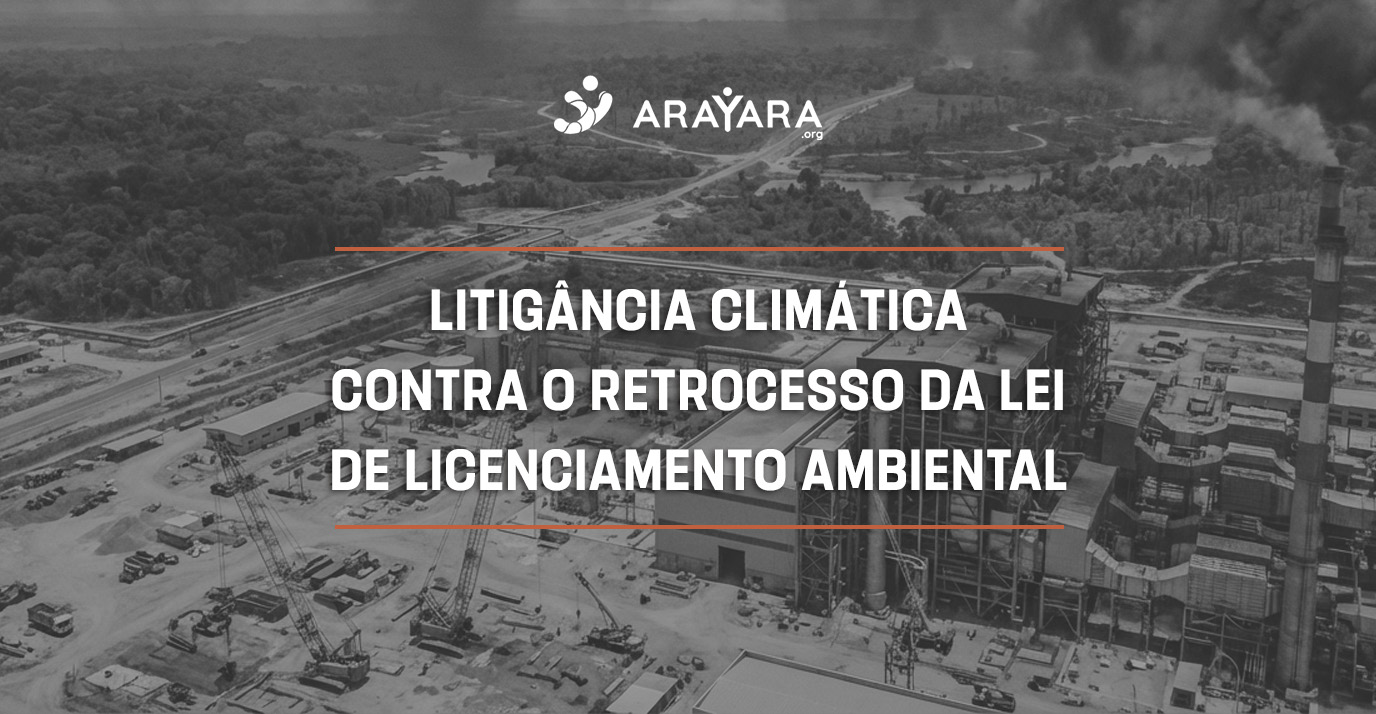

NGOs file a lawsuit in the Federal Court of Pará to block Petrobras’ drilling in the Foz do Amazonas basin, alleging environmental risks and questioning the license granted by Ibama.
This Wednesday (22), a group of NGOs filed a public civil action in the Federal Court of Pará to suspend drilling of oil by Petrobras in the Foz do Amazonas basin. According to information from CNN Brasil, the initiative challenges the Ibama license granted days earlier and raises serious concerns about the environmental and social impacts of the activity, especially on indigenous, quilombola and extractive communities in the region.
Ibama license under question: technical failures and lack of consultation
The action represents a milestone in the fight to protect the Amazon and traditional peoples. With 161 pages, the document is signed by organizations such as Climate Observatory, Greenpeace, WWF and Arayara, as well as local entities. The request includes an injunction for the immediate suspension of activities and the cancellation of the environmental license issued by Ibama.
The main criticism of NGOs regarding Ibama’s license is the lack of prior, free and informed consultation with traditional communities, as determined by ILO Convention 169, of which Brazil is a signatory. Without listening to the affected peoples, the licensing process loses legitimacy and legality.
Furthermore, the organizations point to technical flaws in the environmental risk modeling. According to the lawsuit, the impact study failed to adequately consider surface ocean currents and water columns in the region, which would compromise the effectiveness of contingency plans in the event of an oil spill.
NGOs highlight the ecological importance of the Foz do Amazonas basin
The Foz do Amazonas basin is considered one of the most biodiverse regions on the planet. Located on the Brazilian equatorial margin, It is home to unique coral reefs and is also home to endangered species such as the manatee and the pink dolphin.
Studies by Greenpeace and Brazilian universities indicate that the area is a true marine nursery, with global relevance for the conservation of ocean life.
Any environmental impact in this region could be irreversible. Oil drilling poses a high risk of contamination, especially in such a sensitive and still little-studied ecosystem.
Federal Court of Pará evaluates suspension request made by NGOs
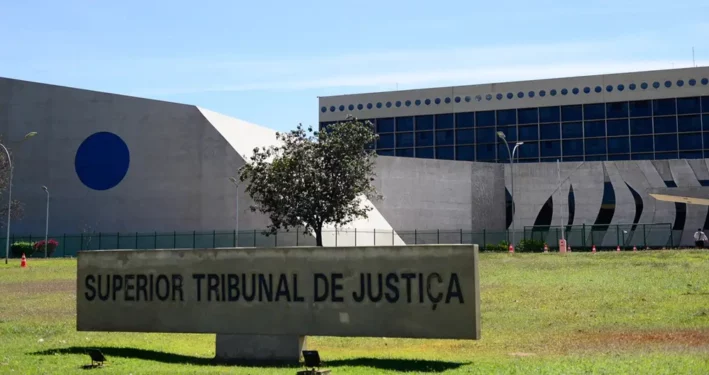
The action was filed in the 9th Federal Environmental and Agrarian Court of the Federal Court of Pará, which will now be responsible for evaluating the request for an injunction. The judge responsible may order the immediate suspension of Petrobras’ activities in the region until the merits of the case are judged.
The court’s decision could determine the course of oil exploration in the Amazon. If the injunction is granted, Petrobras will have to halt its operations in block FZA-M-59, located approximately 175 km off the coast of Amapá.
Petrobras defends the legality and safety of the operation
In an official note, Petrobras stated that drilling in the Foz do Amazonas basin is exploratory in nature and aims only to assess the area’s production potentialThe company emphasized that it follows all required environmental protocols and that the Ibama license was obtained after rigorous technical analysis.
The president of the state-owned company, Magda Chambriard, has previously stated that Petrobras is committed to sustainability and responsible development of the equatorial margin. However, NGOs argue that the history of environmental accidents in the oil sector demands extra caution.
International mobilization and political context
The controversy occurs on the eve of COP-30, which will be held in Belém (PA), increasing the international visibility of the caseSeveral international organizations have already expressed support for Brazilian NGOs, warning of the risk of setbacks in the country’s environmental policies.
International pressure can influence the court’s decision and the federal government’s stance. Brazil has commitments under the Paris Agreement and the UN 2030 Agenda, which include the protection of marine ecosystems and respect for the rights of indigenous peoples.
The region’s extractive, indigenous, and quilombola communities denounce the lack of dialogue and fear the impacts of oil activity on their way of life. Artisanal fishing, main source of income for many families, can be directly affected by possible leaks or changes in the marine ecosystem.
Without consultation and without guarantees, these populations are vulnerable. The actions of NGOs seek to ensure that their rights are respected and that economic development does not occur at the expense of environmental destruction and human rights violations.
NGOs and the fight for transparency and accountability
The NGOs involved in the action have a history of defending the environment and human rights. The Climate Observatory, for example, brings together more than 70 entities and works to formulate sustainable public policies. Greenpeace has a global presence and is known for its mobilization and denunciation campaigns.
The judicialization of the case is an attempt to ensure transparency and accountability. The organizations argue that environmental licensing needs to be more rigorous and participatory, especially in sensitive areas like the Amazon.
Possible paths for the future of the Foz do Amazonas basin
The action brought by the NGOs in the Federal Court of Pará against a Petrobras and the Ibama license marks a decisive moment for the future of the Foz do Amazonas basin. In a context of climate emergency and growing international pressure for environmental responsibility, Brazil needs to balance economic development with environmental preservation and social justice.
The court’s decision could set an important precedent for environmental licensing in the country. More than a legal dispute, this is a choice about the development model that Brazil wants to follow.
Fonte: Click Petróleo e Gás
Foto: Reprodução / CPG